
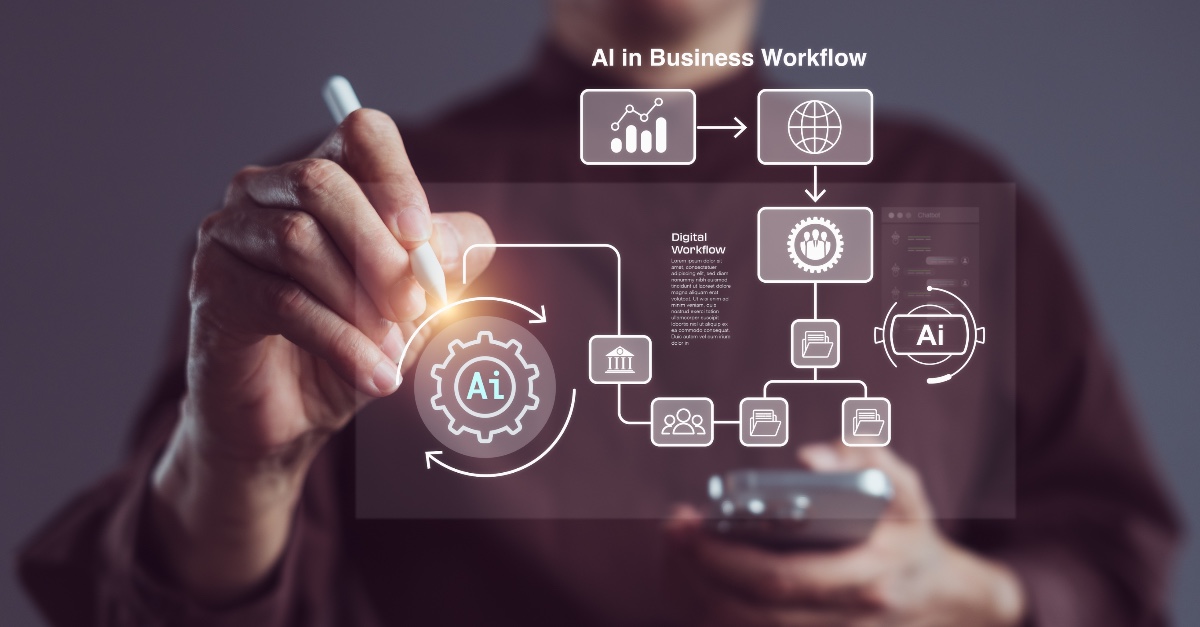
AI and machine learning are transforming the way all industry sectors operate, with increased speed, leading to further growth and increased turnover. Yet, many organisations across Australia still struggle with disconnected systems that limit the flow of data and in turn the impact and benefits of automation and AI initiatives. Systems integration and data modelling is among the first steps to addressing these challenges.

How many platforms does your marketing team use daily? From instant messaging to task management, the average business process runs across five or more systems. While adding more platforms over the last decade has undoubtedly brought more granular functionality to businesses (such as financial reporting, e-commerce, and CRM), if these platforms do not communicate, they can become major productivity blockers.
Perhaps your marketing team uses Wrike to plan projects and assign tasks, but do they use a different platform to report on progress? Do they have to access the content relevant to these tasks on a different platform?
If your answer to both of these questions is ‘Yes’, your business might greatly benefit from workflow integration (a.k.a. systems integration) to bring together all these platforms and processes. What are the benefits of such a solution?