

Today, we live in a multichannel world where there are more ways to share content online and offline. You have likely seen a campaign printed on the side of a bus that you later saw in the sidebar of a website, recognisable due to the consistency of the advertisements and messaging. Perhaps the ad even mentioned the name of your city.
For a team to achieve this level of consistency and personalisation, they need full visibility of all content over online and offline channels. Yet, these systems are often disconnected from the content operations mechanics and require manual coordination between the marketing team, third-party providers and digital content creators.
Headless content delivery is one solution to this persistent problem. So, how does it work? And why is it a game-changer for scaling personalised content?

Andrew Lomas

The business landscape feels like it’s constantly changing around us. We have more functional, specific platforms at our fingertips; integration and automation are necessary, and AI tools have saturated the market. All of this creates the expectation that a business should be able to do more with less without sacrificing the quality of operations. As such, many leaders have one or many business transformations high on their priority list.
If you're among these leaders, it's important to consider the role of content in achieving process transformation. Whilst your marketing teams must efficiently produce reusable content that can be personalised for different audiences and channels for customer experience, it's also important to realise that content supports staff experiences in various business processes. Across sales, customer service, product support and maintenance, your business needs content to effectively function and to continue delivering the experience that the marketing team started at the inspiration stage.
Content management tools can help achieve these objectives by reducing manual steps and sharing content across systems, which help reduce operational costs, and ensure consistent and fast delivery of information to all teams, making it an essential consideration for any organisation undertaking process transformation.

With digital channels becoming the key platform to reach your target audience, creating high-quality content for omnichannel content delivery is more important than ever. Yet, managing content across these channels is challenging, especially without transparency and a centralised, overarching view of all the content at that stage.
Many content teams struggle with disjointed and chaotic processes. Different teams and individuals might work in isolation, using various tools and methods and lacking clear roles, responsibilities, and communication channels — the result is duplicated efforts, inconsistent quality, misaligned messaging, and wasted resources.
What’s the solution to problems like these? You need a transparent and standardised approach to content creation, distribution, and measurement to streamline workflows, improve collaboration, enhance relevance, and ultimately drive better results for your business.
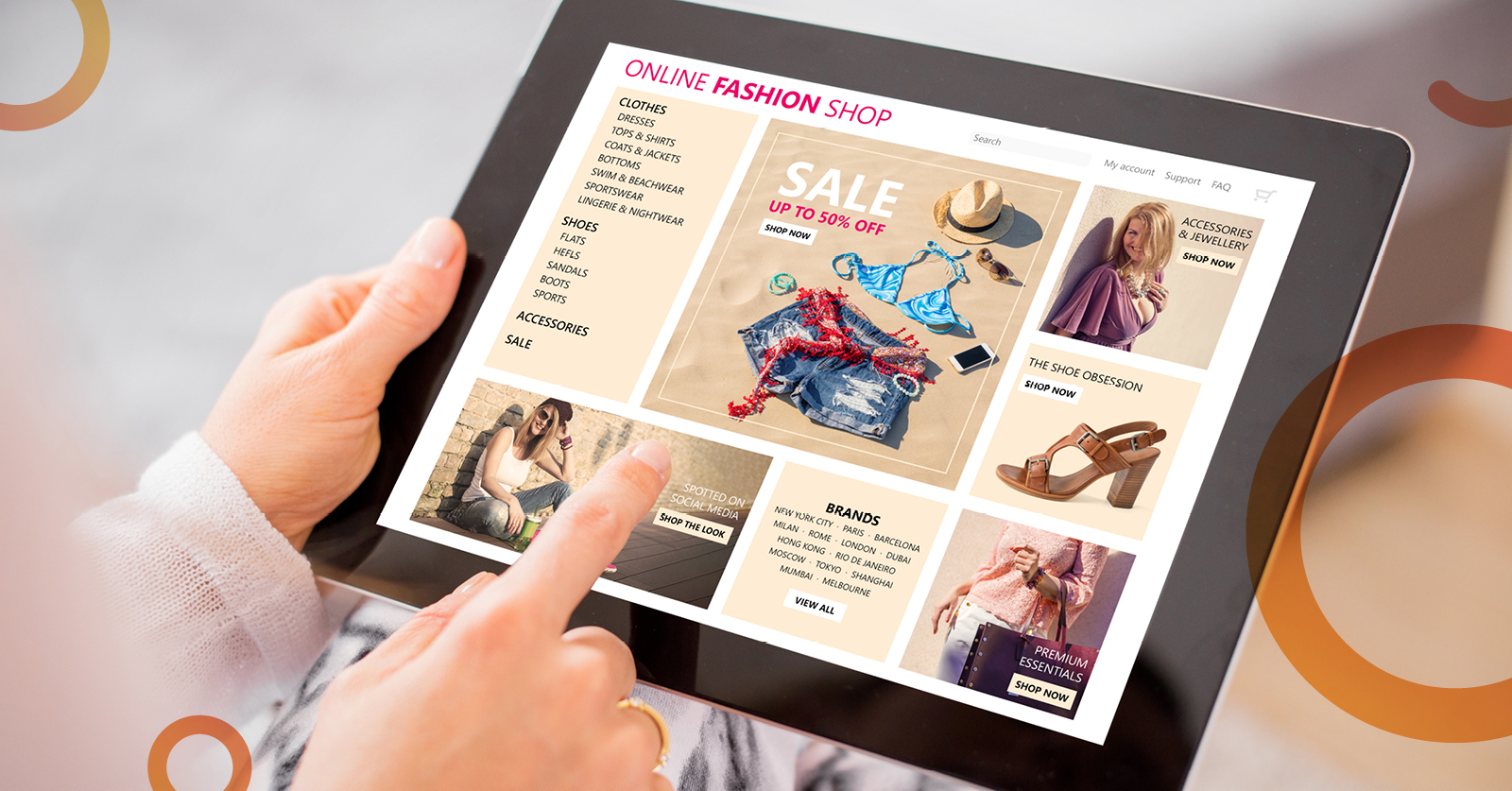
Think for a moment about how you go about shopping online. You likely analyse product images and rely on descriptions to gain a clear understanding of the brand and product you might want to purchase. If you visit two e-commerce sites to compare prices, you might have noticed that occasionally the same branded product has different images on different e-commerce sites, and perhaps the product description is different too, or there is more information. One site might also contain more supporting content, such as ‘How to use guides’ or technical manuals, and others don’t.

A recent Deloitte report listed ‘Investing in advanced technologies to help mitigate risk’ as a key priority for the US manufacturing industry. Though this insight came from the US market, case studies from WoodWing have also revealed that European manufacturers have focused on digitalisation in recent years. As such, this priority should also be a key focus for the APAC region's manufacturing sector.
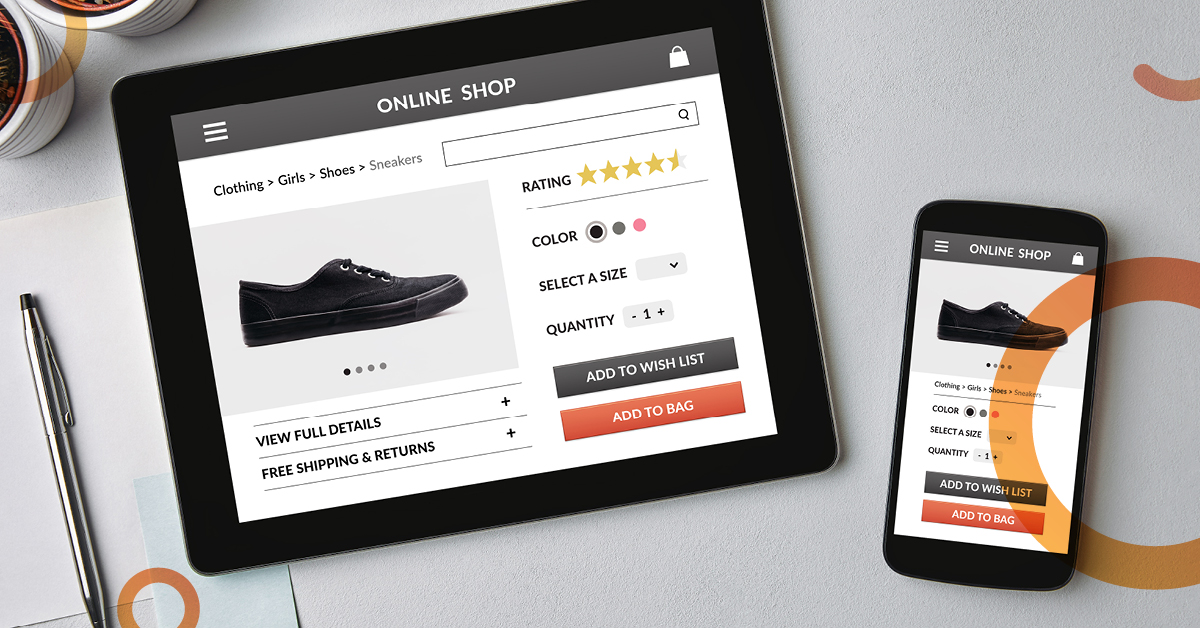
Whether a customer makes a purchase relies heavily on the product content. Images and descriptions without ample information can make people second guess their decision and may result in them not proceeding with the sale.
When shopping, we can often choose from different options for a particular product. A phone case might come in ten different colours, or a pair of shoes might have three designs; marketers must account for all this content and ensure its consistency. They also have the difficult job of not only ensuring consistency but enriching it to suit the channel or campaign.
The digital content supply chain is a process that connects product content across its lifecycle and eases distribution. It starts upstream with digital assets created by manufacturers and other primary content creators. These digital assets must then be sent downstream and stored in a repository for retailers and distribution partners. These companies can then enrich the content to suit each channel, overlay it with campaign-specific content, and publish it for consumers to view in print or digital media.
A Product Content Management (PCM) platform supports the digital content supply chain in the following ways:
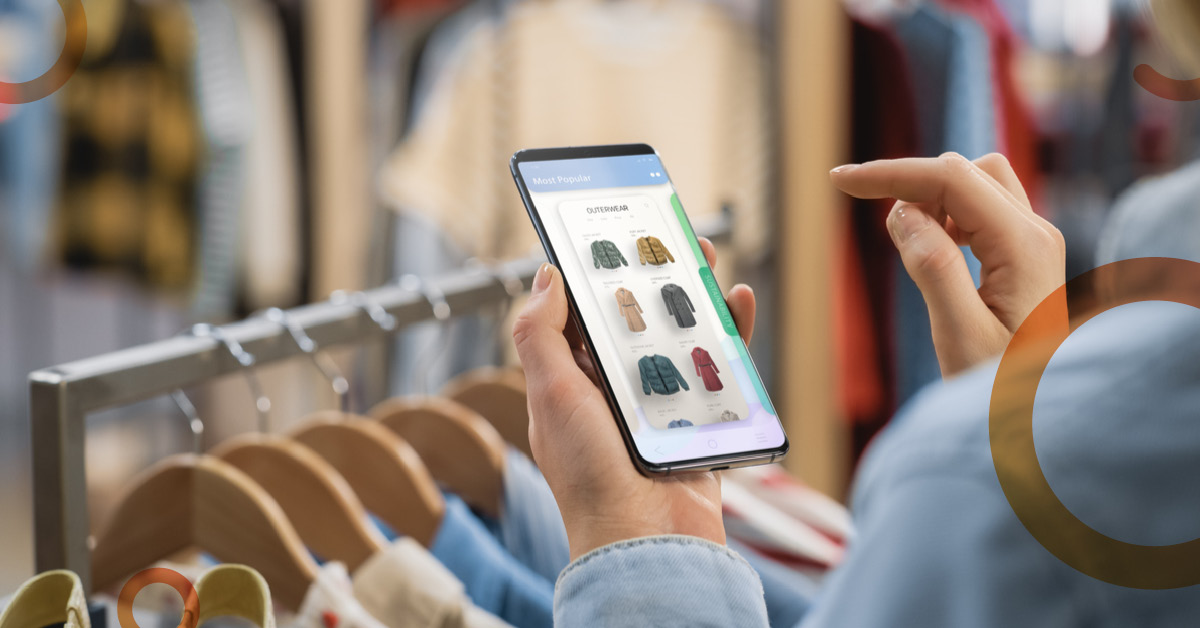
Personalised content has become imperative for retail companies to compete and stay relevant to their customers. In response, I have seen two trends emerge: omnichannel content delivery and first-party customer data collection. What exactly do these encapsulate, why do they need to be considered collectively, and what do they mean for your retail business?

A modern retail business deals with more moving parts than traditional brick-and-mortar stores. You might serve customers in a physical store, but they also interact with your brands and products throughout the day. Social influencers promote products during your customers’ personal time, which leads to research during the day, with a final online purchase potentially made in the evening.

As you prepare your business for 2022, I encourage you to review your MarTech stack and consider whether your platforms enable omnichannel content delivery.

The list of channels available to engage with your customers (and just as importantly, for them to engage with you) continues to grow. Long-standing platforms such as LinkedIn and Instagram remain relevant, while new platforms like TikTok have become places for brands to communicate with customers.