


I work with companies every day who struggle with siloed software and information. They might have the right software for their needs, but is it talking to their other applications? Too often, the answer is ‘No’. Below are some of the common integrations we deliver and how they help businesses do more, with less.

Product ideation, promotion and lifecycle is something we take for granted as a consumer. We are bombarded with new and existing products from brands; for the sake of branding awareness, promotions and campaigns. The average consumer may not consider what goes into getting those products to market and what is included in the content creation, management and distribution process.

Ensuring that disparate IT systems work well together can be quite a challenge. When various IT systems work in synchronisation, they can communicate with each other. This then empowers the company to eliminate unproductive silos, improve operations and throughput, boost efficiency, and of course, reduce costs. To achieve all these goals, systems integration and integration services can be a game-changer.

Marketing Resource Management (MRM) is a set of software tools that supports strategy and workflow optimisation for marketing departments.
As customer expectations shift in the digital age, speed and accuracy of information are becoming all the more essential for businesses of all kinds.
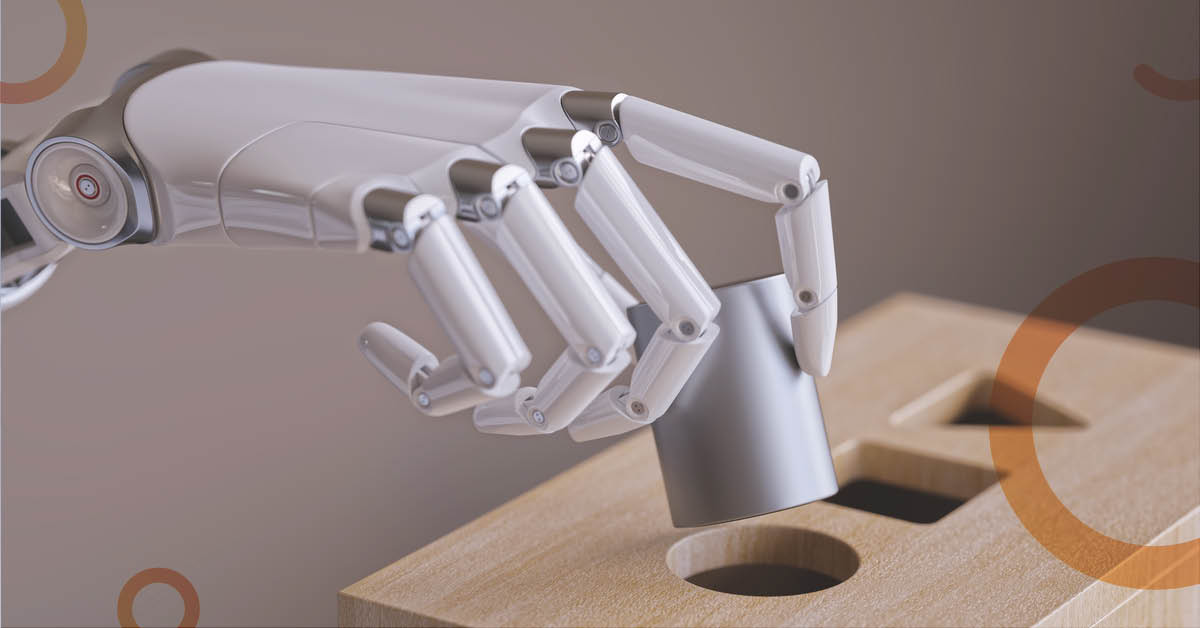
Artificial Intelligence (AI) in Digital Asset Management (DAM) offers numerous benefits, such as image text recognition, video transcription and machine learning capabilities. While AI is a powerful tool in DAM systems, it is not without its faults and requires, in some cases, a human behind the scenes ensuring it is behaving as expected.

System integration can resolve modern business challenges by placing a variety of information subsystems into a unified application mesh; it can make a supply chain more efficient, operations smoother, and enable faster vendor communication. If you want to sharpen your competitive advantage, you need system integration.

As consumers turn toward online platforms for their day-to-day interactions and activities, so do brands. Customers want the flexibility of purchasing a product online and having it delivered; choosing a hybrid purchasing method such as click-and-collect; or having a full brick-and-mortar traditional retail experience. On top of this, customers do not want a disjointed online journey - they want the experience to feel the same across all devices.

Integration is the key to unlocking profitability, differentiation, and separation from your competition. In fact, integration in today’s business world is far more important than any solitary application in your entire architecture.

Media Asset Management (MAM) originated in the film and broadcast industry to manage the overall production and distribution of video and audio files. Media Asset Management, or MAM as it is mostly referred to in industry-speak, is commonly used to denote both the process and the software used to manage media assets.